
As eBook vs print book sales trends takes center stage, this opening passage beckons readers into a world where traditional reading formats compete with digital innovations. The landscape of publishing has shifted dramatically in recent years, with eBooks gaining significant traction and reshaping consumer habits. Understanding these trends is essential for authors, publishers, and readers alike as they navigate the evolving market.
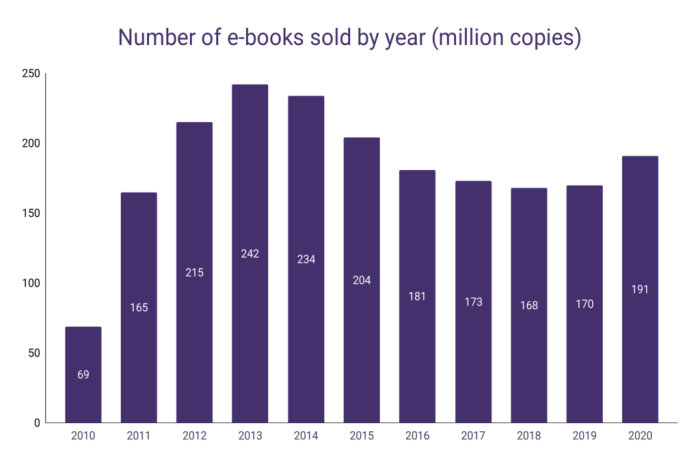
Recent statistics reveal a remarkable growth in eBook sales, driven by factors such as convenience, affordability, and technological advancements. This shift has not only attracted a younger demographic but has also encouraged established readers to embrace digital formats. However, print books continue to hold their ground, appealing to audiences who cherish physical copies, showcasing the enduring charm of paper amidst a sea of screens.
Print Book Sales Trends
The landscape of print book sales has undergone significant changes over recent years, particularly as digital formats have surged in popularity. Despite the challenges posed by eBooks and other digital media, print books continue to hold a special place in the hearts of many readers. This section delves into the performance of print books across various genres, the obstacles they face in a digital-first world, and the enduring appeal they maintain among specific consumer demographics.
Sales Performance Across Genres
Print books demonstrate varying sales performance depending on the genre. While eBooks have taken the lead in categories like romance and science fiction, print books still thrive in genres such as literary fiction, history, and children’s literature. The tactile experience of classic novels or beautifully illustrated children’s books contributes to their enduring popularity. Key insights into genre-specific trends include:
- Literary Fiction: Many readers prefer the physical format for its aesthetic appeal, often collecting editions with unique cover art.
- Non-Fiction: Print books remain favored for educational materials and reference guides, where readers value the ability to annotate and flip through pages.
- Children’s Books: The interactive nature of print books, including illustrations and physical formats, plays a crucial role in early childhood education.
- Cookbooks: Many home chefs prefer physical copies as they can easily reference recipes while cooking, without the risk of damaging an electronic device.
Challenges in a Digital Market
Print books face unique challenges in an increasingly digital landscape. The rise of eBooks has not only altered consumer preferences but also impacted retail strategies. Many traditional bookstores have struggled to compete with online giants that offer instant access to digital content. Key challenges include:
- Cost and Logistics: The production, storage, and shipping of print books contribute to higher prices compared to eBooks.
- Changing Consumer Behavior: Younger generations, who are more inclined towards digital formats and convenience, may prefer screens over physical books.
- Market Distribution: The consolidation of retail outlets has led to fewer options for consumers to purchase print books, impacting visibility and sales.
Resilience and Appeal to Specific Audiences
Despite these challenges, print books exhibit remarkable resilience, particularly among specific demographics. There remains a strong sentiment for print books in markets where physical ownership and the sensory experience of reading are valued.Noteworthy aspects of the appeal include:
- Collectors and Enthusiasts: Many bibliophiles enjoy collecting first editions, signed copies, or beautifully bound volumes, which have no equivalent in digital formats.
- Gift Giving: Print books are often chosen as gifts due to their personal touch and the sentiment attached to giving someone a physical item.
- Older Generations: Older readers, who may have grown up with print books, often prefer the familiarity and comfort of reading from paper.
“Print books are not just vehicles for stories; they hold the physical essence of reading and the joy of shared experiences.”
Marketing Strategies for eBooks and Print Books
The success of eBooks and print books heavily relies on effective marketing strategies tailored to each format. Both require unique approaches, yet there are overlapping methods that can boost sales across the board. Understanding these strategies can make a significant difference in reaching the target audience and maximizing sales. This section delves into email marketing, banner advertising, and domain name optimization for both eBooks and print books, providing insights into how authors and publishers can enhance their visibility and sales.
Email Marketing Strategies for eBooks and Print Books
Email marketing remains one of the most effective tools for engaging readers and promoting book sales. Crafting targeted email campaigns can lead to impressive conversion rates when done correctly. Here are some essential strategies for using email marketing effectively:
Segment Your Audience
Tailor your messages to different segments of your audience, such as fiction readers, non-fiction enthusiasts, or previous buyers. This personalization increases engagement and conversion rates.
Provide Exclusive Content
Offer subscribers exclusive content, such as sneak peeks of upcoming releases, bonus chapters, or author interviews. This gives them a reason to stay subscribed and engaged.
Create Compelling Subject Lines
The subject line is the first thing readers see; make it enticing to encourage opens. Use action words and create a sense of urgency or curiosity.
Include Strong Call-to-Actions (CTAs)
Each email should have a clear and compelling CTA prompting readers to buy the book, visit your website, or engage with your content.
Utilize Automated Campaigns
Set up automated welcome series for new subscribers, promotional campaigns for book launches, and re-engagement campaigns for inactive subscribers to keep your readers in the loop.
Role of Banner Advertising in Boosting Sales
Banner advertising can significantly boost visibility and sales for both eBooks and print books. Here are some key points to consider:
Targeted Placement
Position ads on websites frequented by your target audience. For example, place eBook ads on digital reading blogs and print book ads on literary websites or book review platforms.
Engaging Design
Create visually appealing banners that convey your book’s essence through captivating graphics and concise text. Use colors and fonts that reflect your book’s genre and tone.
A/B Testing
Test different banner designs, messages, and placements to determine which combinations yield the highest click-through rates. This data-driven approach can refine your advertising strategy.
Retargeting Campaigns
Implement retargeting ads to reach users who have previously interacted with your website or social media but haven’t completed a purchase. This increases the chances of conversion by reminding them of their interest.
Domain Names for Enhanced Visibility
Choosing the right domain name is crucial for online visibility, especially when selling eBooks and print books. An effective domain name can improve search engine rankings and make your brand memorable. Here are key considerations for selecting domain names:
Keep It Short and Memorable
Aim for a concise name that reflects your brand or book title, making it easy for readers to remember and type.
Incorporate s
Use relevant s related to your genre or niche in the domain name to enhance search visibility. For example, “thrillerbooks.com” or “selfhelpguide.com” can attract specific audiences.
Use .com or Genre-Specific Extensions
While .com remains the most recognized domain extension, consider genre-specific extensions (like .books) that may resonate with your target audience.
Avoid Hyphens and Numbers
These can confuse potential visitors and are often harder to remember. Stick to letters that clearly convey your brand.
Check Availability
Ensure the domain name is available and not registered by others. Use domain registration sites to check for availability and secure your chosen name promptly.
Ultimate Conclusion
In conclusion, the dynamic interplay between eBook and print book sales trends illustrates a complex yet fascinating landscape in the publishing industry. While digital formats are on the rise, print books maintain a loyal following, ensuring that both formats can coexist and thrive. As we look to the future, understanding these trends will be crucial for anyone involved in the world of literature.
Expert Answers
What are the main drivers for eBook sales growth?
The primary drivers include convenience, lower prices, and the rise of mobile devices that make reading accessible anywhere.
How do print book sales compare across different genres?
What challenges do print books face in a digital market?
Are there specific demographics that prefer eBooks over print?
Yes, younger audiences, particularly millennials and Gen Z, are more inclined to purchase eBooks due to their tech-savvy nature and lifestyle preferences.
What marketing strategies work best for both formats?
Email marketing and targeted online ads are effective for both eBooks and print books, while a strong online presence through also enhances visibility.


